

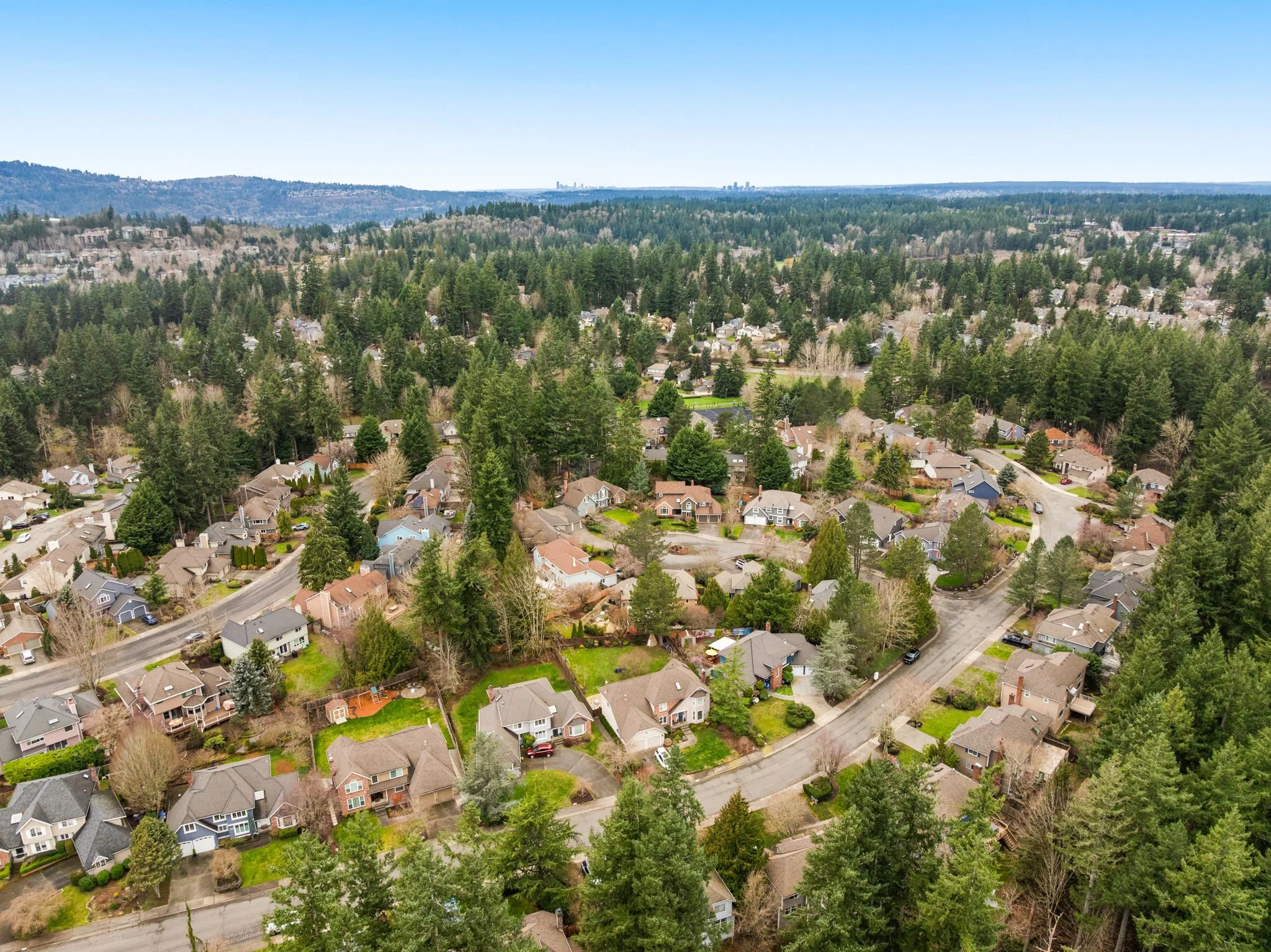
HOA Considerations in Sammamish
Which Sammamish Neighborhoods Have HOAs
Klahanie — one of the most amenity-heavy HOAs on the Plateau, funding a network of pools, parks, and trails that residents use constantly
Trossachs — HOA dues support community amenities and shared green space typical of newer master-planned developments
Aldarra — a gated community where HOA dues cover private roads, entrances, and shared landscaping on top of standard amenities
HOA structure varies significantly by neighborhood:
Other Sammamish neighborhoods, including many parts of Pine Lake, Sahalee, and Beaver Lake, have lighter HOA structures or none at all outside of golf/club memberships, which are typically separate from any HOA.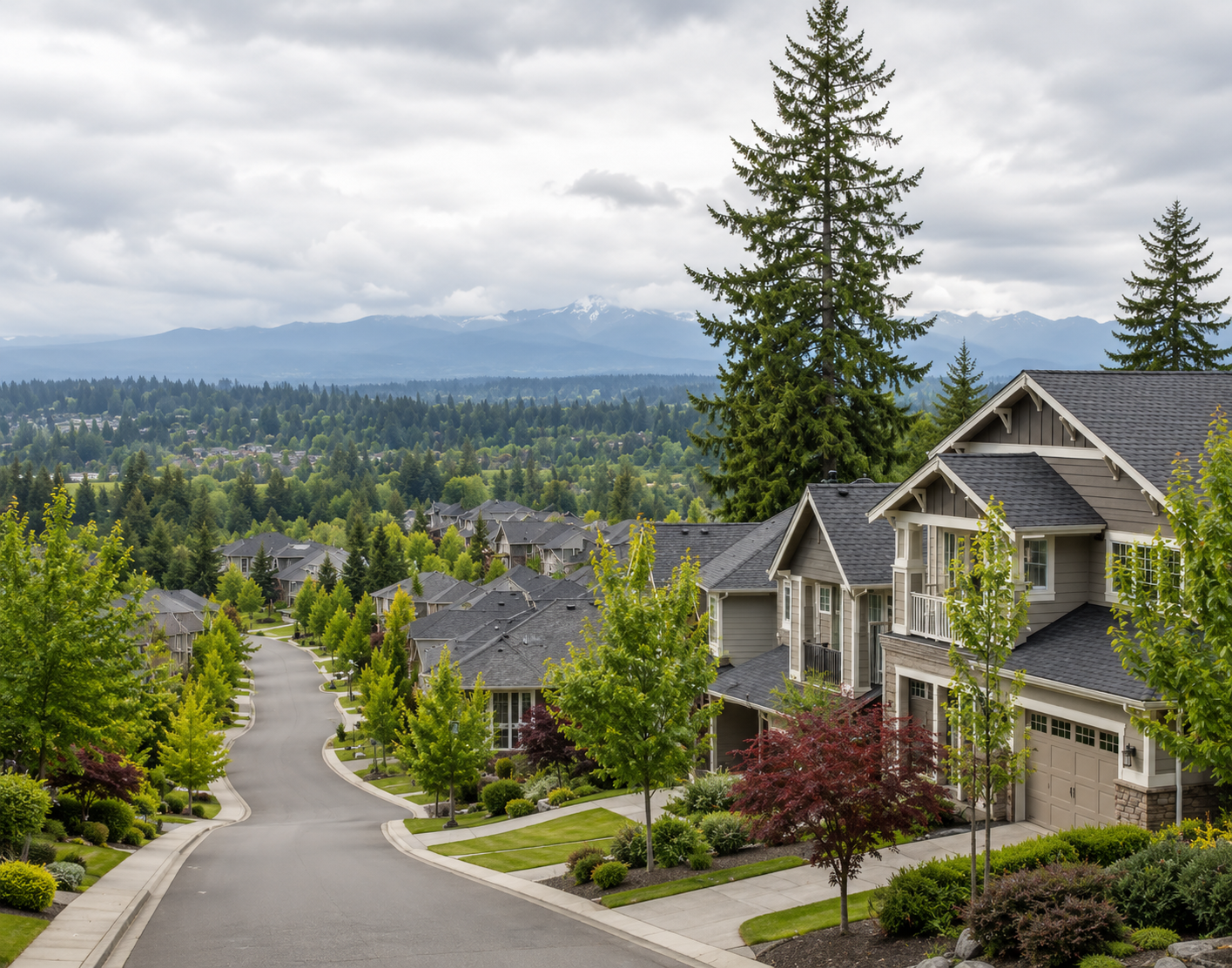
Washington's HOA Law Is Changing — What That Means for You
Washington is in the middle of a multi-year transition in how homeowners associations are regulated. Older associations (formed before July 2018) have historically operated under one statute (RCW 64.38), while newer ones fall under a more detailed law called WUCIOA (the Washington Uniform Common Interest Ownership Act, RCW 64.90). As of January 1, 2026, several WUCIOA provisions now apply to every association in the state regardless of when it was formed, and the older statute is set to be fully repealed by the end of 2027 — meaning all Washington HOAs will eventually operate under one unified set of rules.
What this means practically for a Sammamish buyer or owner:
Reserve studies are now required for most associations, projecting whether the HOA's savings are on track to cover major future repairs (roofs, pools, roads) without a surprise special assessment
Resale certificates are more standardized — when a home sells, the HOA must provide detailed financial and legal disclosures, generally within 10 days of a request, with the fee capped by statute
Meetings are more transparent — open-meeting requirements and a guaranteed owner comment period at board meetings are now standard
What to Actually Check Before You Buy
Current monthly or annual dues — and whether they've increased recently or are projected to
The reserve study — ask whether it's current and whether the association is funding at the recommended level; an underfunded reserve is the single biggest predictor of a future special assessment
The resale certificate — request it through your agent; it covers current assessments, any outstanding balance, pending litigation, insurance coverage, and known violations
What the dues actually cover — pools and trails are common, but landscaping, exterior maintenance, and insurance coverage vary widely
Rental and rule restrictions — some HOAs limit rentals or have specific architectural rules that matter if you plan to renovate
The Honest Tradeoff
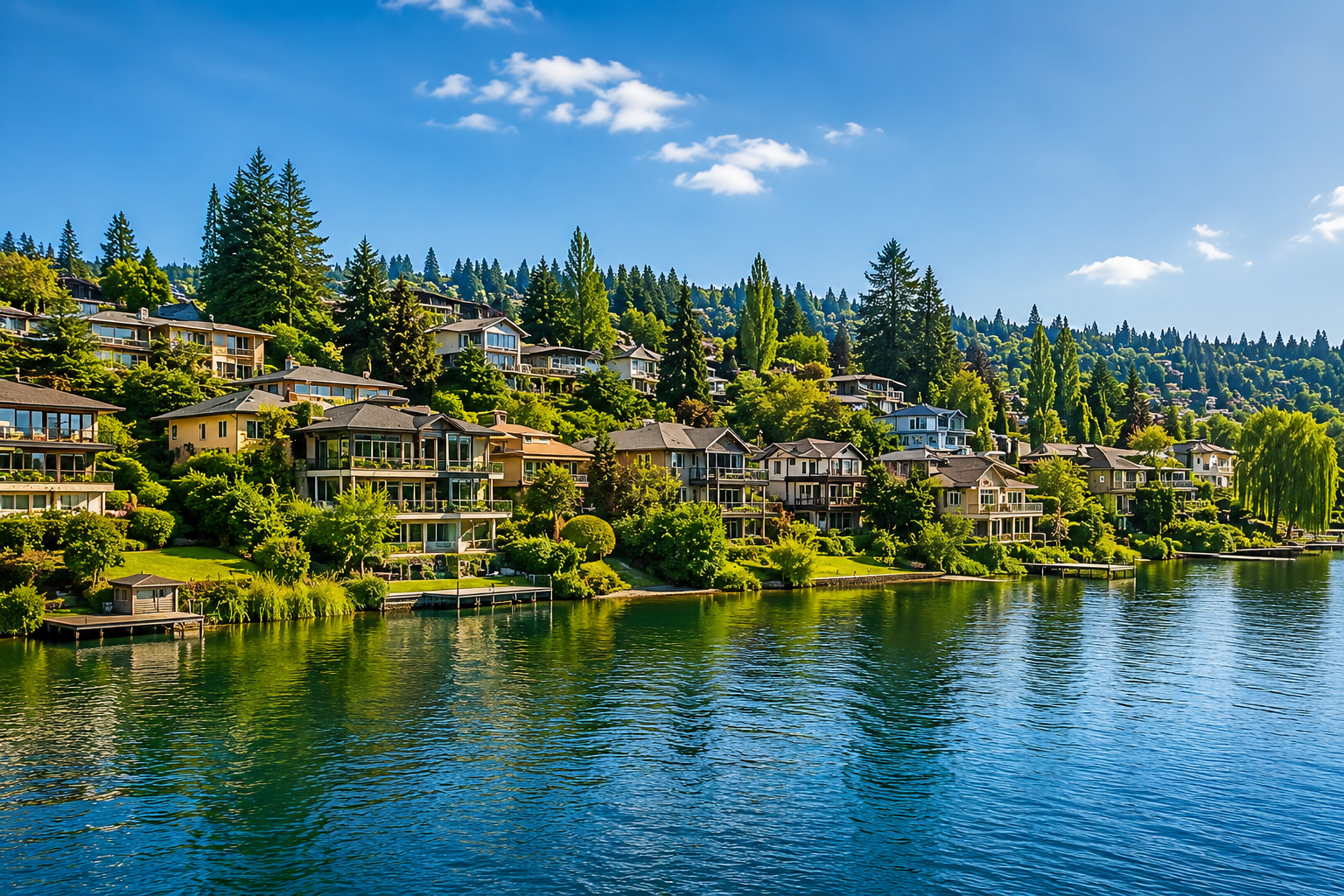
An HOA in a place like Klahanie or Aldarra isn't a cost you're paying reluctantly — for most buyers in those neighborhoods, the amenities are a big part of why they chose to live there. But it's still a fixed monthly cost on top of your mortgage and taxes, and with Washington's disclosure rules tightening in 2026, you now have more tools than ever to actually verify an association's financial health before you commit — use them.
Frequently Asked Questions
-
Yes. Klahanie has one of the more active HOAs in Sammamish, funding a network of pools, parks, and trails that are central to the neighborhood's appeal.
-
No. HOA presence and scope vary by neighborhood — Klahanie, Trossachs, and Aldarra all have active HOAs, while other areas like parts of Pine Lake, Sahalee, and Beaver Lake have lighter or no HOA structure.
-
Ask for current dues, a copy of the reserve study, whether the association is funding it at the recommended level, and the resale certificate, which covers pending litigation, insurance, and any known violations — these details affect your real monthly cost and the community's financial health.
-
Yes. As of January 1, 2026, reserve study requirements under Washington's WUCIOA apply to essentially every common interest community in the state, regardless of when the association was originally formed.